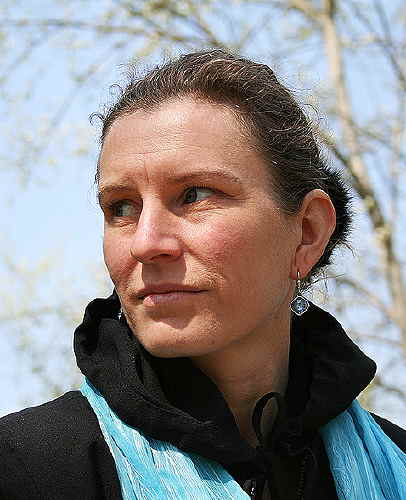
Woodfire Aesthetics



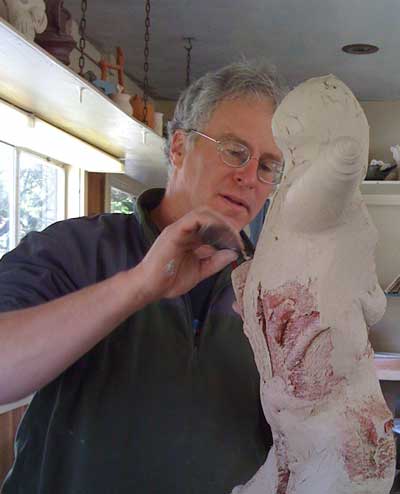
How to explain beauty? In the presence of great beauty our spirits expand. The view from a mountain
ridge at dusk, the vast distances of a Rothko color field painting, the flash
of a rainbow trout skirting into deeper waters, the light of a Vermeer
painting, the feel of a well-formed pot, the desperately carved space of a
Giacometti drawing -- these glimpses of natural and artistic beauty touch us,
leaving us transformed and feeling a momentary rightness with the world.” – From »Japanese Wood-fired Ceramics«.
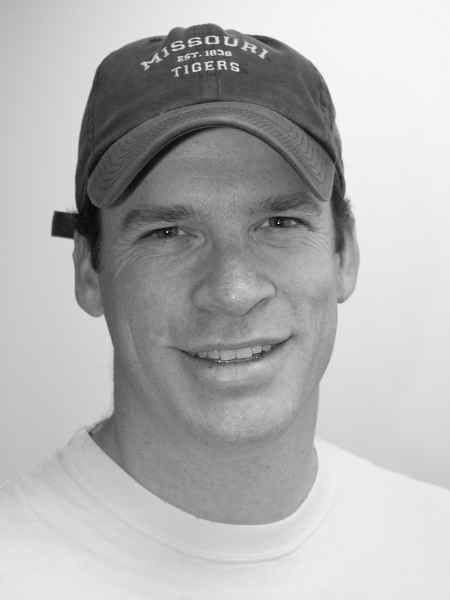
Marc Lancet is the author of »Japanese Wood-fired Ceramics« with Masakazu Kusakabe of Miharu, Japan. He lives in Davis, CA with his wife
Annette and his daughter Evan.







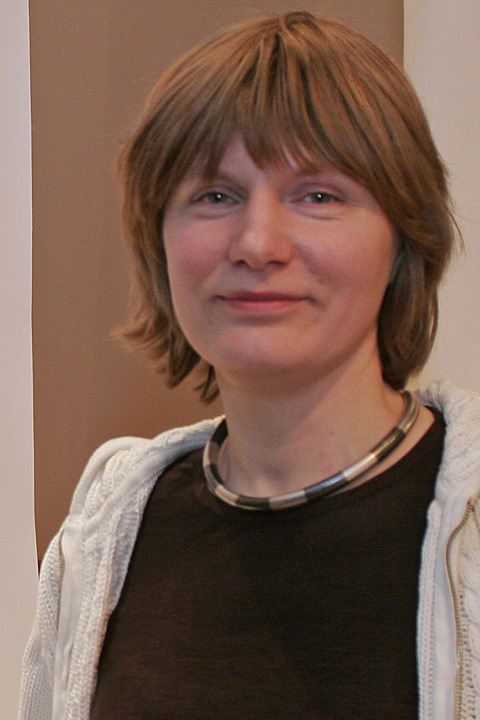
Learning to teach
The first woodkilns after WW II were built in Estonia in 1996. So first we were
obliged to learn ourselves how to fire a woodkiln before teaching it. After the
Estonian ceramists had built an Anagama-type kiln in Kohila in 2000, the
teaching of woodfiring in the Estonian Academy of Arts has been continued
without interruption until today. While teaching we should try to remember to
resist doing too much work instead of the students.
Kersti Laanmaa graduated Estonian Art Institute in 1988. Since 1991 has been
working as ceramist. Since 1996 having a bourry-box woodkiln.






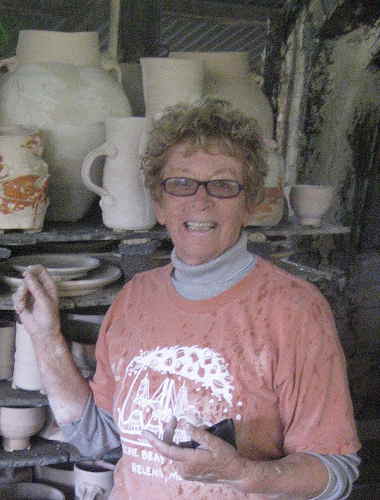
has been working almost exclusively with wood firing for the past 22 years, a
major part of her 40 years experience as a potter. Using the many different
types on wood firing kilns at her workshop, she is concerned with the natural
effects of flame and ash, with individual personal style and with contemporary
social issues.
Michael Maguire, Prof. Paul A. McCoy
Development of Wood-Firing for Low Budget Programs
The development of wood-firing programs that is a viable component in art
departments at small public- and privately-funded colleges and universities.
These would be those institutions, which typically operate on small to moderate
budgets, have limited staffing, and space.
Our Information: Paul McCoy is a Professor of Art at Baylor University. Has been
wood firing for 10 years.
Michael Maguire is a Professor of Art at McLennan Community College. Has been
wood firing for 18 yrs.
The International Ceramics Studio, Kecskemét, Hungary

Woodfire aesthetics
Gregory Hamilton Miller began studying ceramics at Macalester College in St.
Paul, Minnesota. He apprenticed at the studio of Shimaoka Tatsuzo in Mashiko,
Japan, for several years, and then worked towards a Ph.D. in Cultural
Anthropology looking at the ethnohistory and aesthetics of Mashiko potteries at
the University of Pittsburgh. Miller is particularly interested in the
relationship between individuals and pottery communities. He has established studios in Japan, the USA, and Denmark, and designed and
constructed more than two dozen woodfiring kilns. At his studio in Northern
Denmark at Old Horne Station, he has an anagama, salt, soda, and Barney wood
fired kilns which are fired regularly. Gregory is the organizer and initiator
of the Nordic Network Ceramic Studio Exchange, and various other projects.
Current activities include a Ph.D. at Aalborg University focusing on
International Ceramic Tourism Development, and organization of the Creabiz
Project for Crafts Development in Northern Denmark.
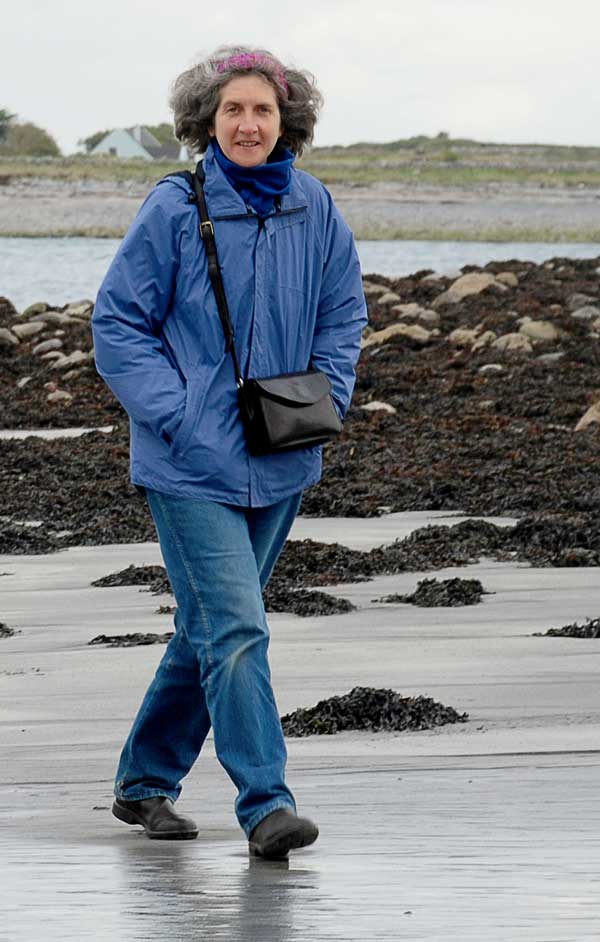
Coll Minogue has been a professional potter since 1982, having previously
lectured in ceramics at a third level college and has been involved in
woodfiring since 1983. This involvement has included the roles of studio potter
/ ceramic artist; kiln builder / workshop leader; lecturer; author, and since
2000 – editor and publisher of The Log Book – international wood-fired ceramics publication (http://www.thelogbook.net), together with her husband Robert Sanderson. She has
written three books on ceramics – Impressed and Incised Ceramics (1996); Wood-fired Ceramics – Contemporary Practices (2000) – co-written with Robert, and Slab-built Ceramics (2008).
She will give an overview about woodfiring in Europe and will moderate the panel
on Friday
 | ||
Woodfire aesthetics
Woodfiring in Scandinavia and South Africa
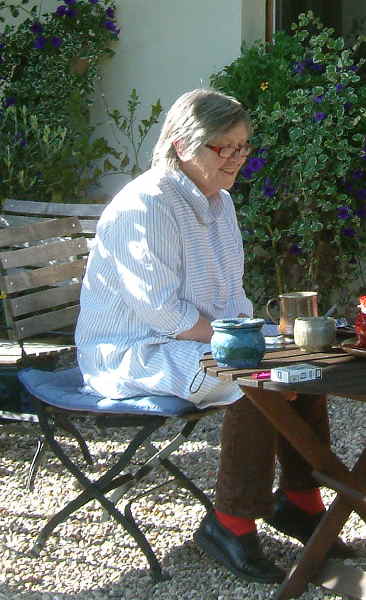
Priscilla Mouritzen is a well known and very involved Danish wood firer.
 |
Castable in kiln building
Not only that you can cast very complex arch forms in a very short time, this
material is very fireproof, resistable against salt and ash and better
insulating than hard bricks. Fred will present a lot of examples of its
utilisation.
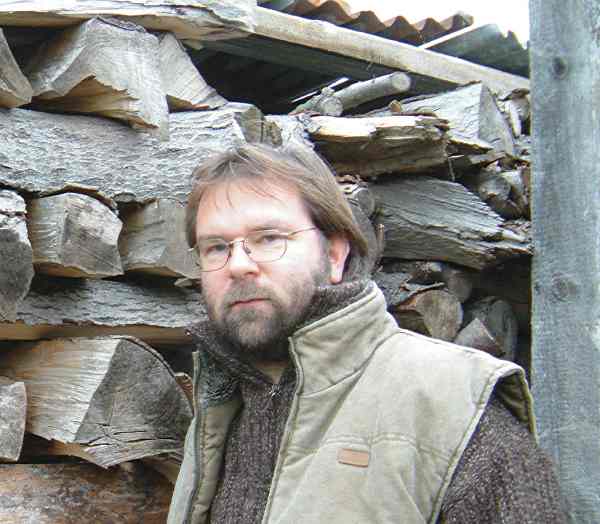
Frederick L. Olsen lives as author, kiln builder and potter in California, USA.
His book about kiln building became the standard work on this topic.
 |
Fire in Poland
The lecture will be related to the Polish-Korean project of build an Tongakama kiln for Wroclaw Academy of Fine Arts in 2006, the proposal to establish Center
for Ceramic Arts in Luboradow and development of wood fired ceramics in Poland.
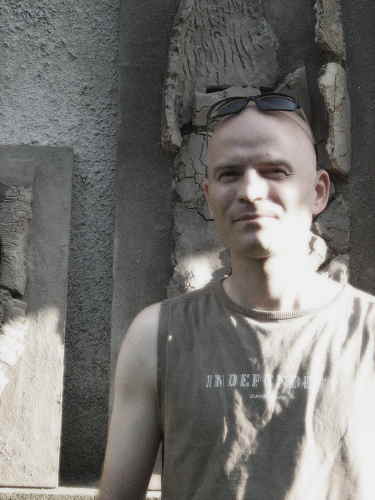
Michal is a Ceramic artist, since 10 years working with wood-firing in Poland,
since 2003 assistant lector at the Academy of Fine Arts in Wroclaw (Poland)
Woodfire in the Czech Republic, present and history
We will talk about historical Kassel kilns still in work as well as new kiln
designs appearing after 1989. Overview will also include introduction of Czech
potters building and firing those kilns.
We are potters, woodfirers and also kiln builders. In 2007 we have founded
non-profit organization Ceramic centre Doupě o.p.s. to provide educational
opportunities for potters, artists, and general community.
www.kcdoupe.cz


Woodfiring in Australia
Woodfiring and education
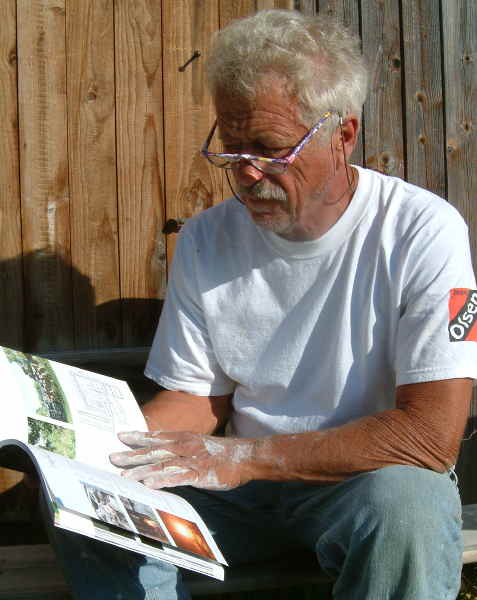
Owen Rye is one of the most important woodfirers in Australia and well known not
only for his many articles about woodfiring but also for his impressing vessels
from his anagama.
Robert Sanderson.
Potter, author, kiln builder and co-publisher of The Log Book (International
Wood-fired Ceramics publication) Robert has been a woodfirer for some 35 years.
Together with his wife Coll Minogue they wrote Wood-fired Ceramics – Contemporary Practices (published 2000) and currently they jointly produce The
Log Book now in its 11 year of publication.
Most recently an Invited participant at the Baltic Woodfired
symposium/exhibition Bornholm, Denmark (September 2009), and Woodfire Symposium
at Tainan University, Taiwan (November 2009).
The woodfire conference in Tasmania 2011
 |
Teaching the Fire: The Wood-kiln in Ceramics Pedagogy
The firing of a wood-kiln is an excellent tool for teaching college students of
all levels about the firing process and the nature of fired clay. I involve my
students in all aspects of the firing, the stacking of the wood, the wadding of
pieces, the sorting, organizing, and placing of the pieces, the actual firing,
and the unloading and clean up of every firing. This involvement on the students’ part gives them a powerful insight into how much work is involved in firing
ceramic ware regardless as to the fuel that fires it.
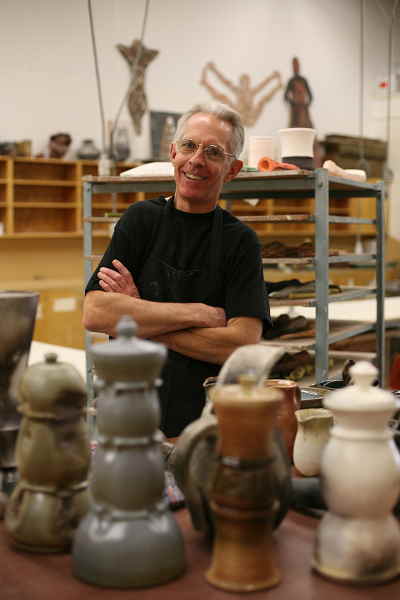
Luke Sheets, an Assistant Professor of Art and Design at Ohio Northern
University, teaches Ceramics, Sculpture, and 3D Design. His research interests
include experimenting with clays/glazes to discover how they react with the
wood-kiln and incorporating local materials into his work.
Potting has curious similarities with culinary endeavors, where cooking from
scratch brings out the best in fresh ingredients and enhances the pleasures of
eating and sharing food. The well known Slow Food Movement offers many
parallels to pottery making that can illuminate issues that we potters struggle
with, such as finding suitable materials and techniques for accomplishing our
desired outcomes.
I would also like to consider the work of Rosanjin, a Japanese potter of the
early to mid 20th century, who emphasized the important role of ceramics in
presenting and enjoying food, creating a multi-sensory culinary experience. By
contrasting Slow Food ideas of good living, with the epicurean perspective of
Rosanjin and other Japanese chefs utilizing ceramics who make meals you can
taste with all your senses, the crucial role of raw ingredients and the wood
fire to achieve truly satisfying forms can be better understood.
Willi Singleton built his four chamber Mashiko style climbing kiln in Kempton,
Pennsylvania, after studying ceramics in Japan from 1981 to 1987. Singleton’s work utilizes a locally obtained clay body, as well as local slip and various
ashes for glaze. Inspired by antique ceramics from Asia and Europe, he
incorporates patterns from his surroundings in pursuit of “pots of a place”.
home | homeEN | themes | programme | thursday | friday | saturday | sunday | presenters 1 | presenters 2| presenters 3 | grass root exhibitions | delegates exhibition | Scandinavian exhibition | workshop rye | workshop davis | workshop baker | workshop jakob | workshop flurer-bruenger | competition Log Book | competition wood splitting | competition kiln building | movie festival | demonstrations | excursions | collectors | sponsors | calls/offers | helpers | potters market | where to stay | service/register | contact | copyright